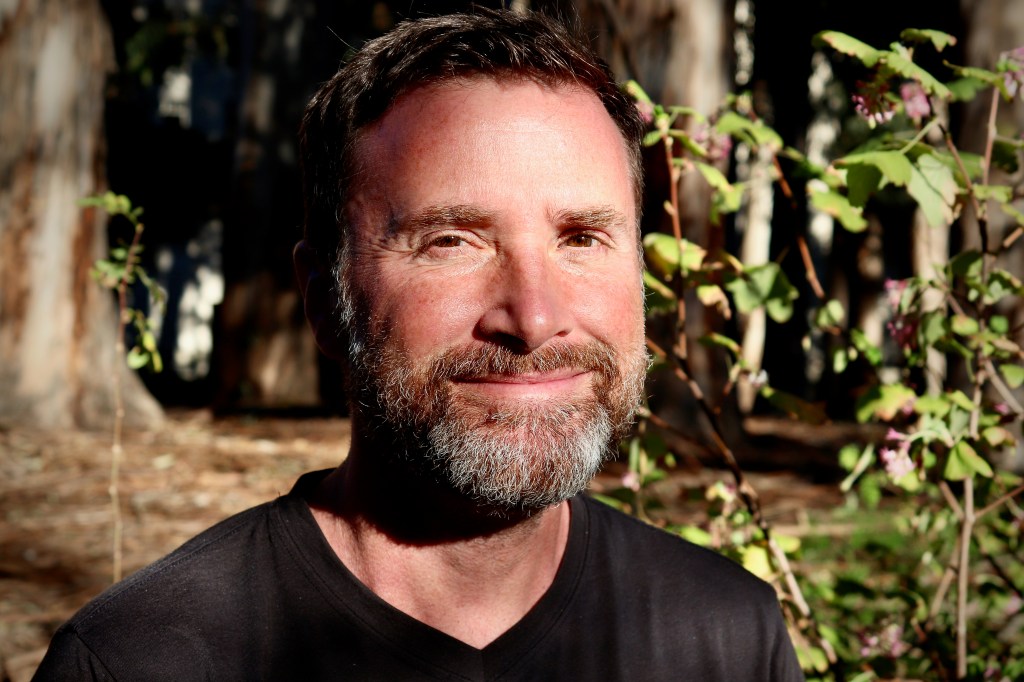
Noah Whiteman
I am Professor of Genetics, Genomics, Evolution, and Development at UC-Berkeley interested in illuminating the genetic, molecular, and organismal bases of adaptations arising from biotic interactions (think Darwin’s “tangled bank.”). See here for more information on my career.
I am the head of the lab and Professor of Molecular & Cell Biology with a courtesy appointment in Integrative Biology. I am also co-Director of the Genetic Dissection of Cells and Organisms NIH T32 predoctoral training grant.
The systems I have studied lately all involve plant-herbivore, host-parasite, host-parasitoid, and plant-pollinator interactions. I have studied an eclectic group of species, but all projects have focused on how biotic interactions drive co-evolution: as an undergraduate working on character displacement in social wasps, as a M.S. student studying how aquatic plants influence biodiversity of water beetles, as a Ph.D. student studying co-evolution between birds and their parasites in the Galápagos Islands, as a postdoctoral fellow studying an herbivorous drosophilid fly, Scaptomyza flava, that attacks the genetic model plant Arabidopsis thaliana.
Since that experience as a postdoc with Naomi Pierce and Fred Ausubel at Harvard and Massachusetts General Hospital in 2007, I’ve been using the Scaptomyza–Arabidopsis system as a model for understanding the molecular basis of plant-heribivore interactions and evolution of herbivory (one example on the morphological side, one example on the chemosensory side, one example on the physiological side, and an example on the genomics side). Working with drosophilid flies eventually led us to use the model Drosophila melanogaster as a heterologous system for exploring the molecular genetic basis of adaptations across insects that have arisen from interactions with host plants, bacteria, and parasitoids. I was honored to have been recognized for these research contributions that I led through the Genetics Society of America Medal in 2025.
Recently, our work has increasingly involved understanding the role that chemical defenses play in shaping adaptation between species. In that vein, we have used CRISPR-Cas9 genome editing in D. melanogaster to address how insects like the monarch butterfly evolved over millions of years to resist the heart poisons in their host plants that they then accumulate in their own bodies and use as defensive toxins. Similarly, we have worked with collaborators to understand how aphids and other sap-feeding homopterans, their ladybird beetle predators, and butterflies and moths have evolved over the last 350 million years to overcome terpenoids via the same route that contemporary insects have evolved in the last 50 years to overcome synthetic insecticides. Finally, we used genome editing in D. ananassae and D. melanogaster to dissect how they use toxin genes borrowed from bacteria tens of millions of years ago (that arrived in their genomes via horizontal gene transfer) to ward off parasitoid wasps. This research is largely funded by the NIH through an R35 grant. Finally, our recently completed NSF-funded project on the evolution and genomic architecture of foraging traits like bill morphology and color vision in the Broad-tailed hummingbird was with collaborators at Princeton, Prudue, the Rocky Mountain Biological Laboratory, and UC-Santa Cruz, and focused on how these birds co-evolve with the floral communities that they require for nectar.
With a Guggenheim Fellowship in 2020, I have written a book (published October 24, 2023) for general audiences on the origins of chemical defenses in plants and other organisms, how some animals overcome and even use them, and how we humans have done the same, for better and for worse. The death of my father owing to his alcohol use disorder came at a time when my research was focused on understanding how animals seek out toxins to ward off their own demons, a collision of two worlds that spurred me to write the book. Overall, the book traces how such toxins from nature changed the world–the natural and the human–from the origin of land plants and animals to the diversification of each lineage over the past 400 million years, to the Spice Trade, the Opium War, the Opioid Epidemic, and my family’s own personal tragedy. The print book is published in North America by Little Brown Spark (Hachette), in the UK and Commonwealth by Oneworld Publications, and the audiobook by Audible. The book was fortunate to receive a Kirkus Star.
My main strategy for recruiting prospective students and postdocs is to work closely with them on developing fellowship proposals so that they have their own funding while doing research in the laboratory. I recruit graduate student trainees through the rotation systems in the Molecular & Cell Biology and Graduate Group in Microbiology at UC-Berkeley. I expect all trainees to become creative, rigorous, and collegial scholars. All former trainees, whether Ph.D. students or postdoctoral fellows, are now employed in science careers as academic staff, in government, or private industry.
I am a proud and out gay man and first-generation college graduate. I was born in southern California and raised in northeastern Minnesota. I welcome those from all backgrounds and walks of life in my laboratory.
Postdocs and Research associates

Carolina Reisenman
My primary research interests are insect neuroscience and behavior, chemical ecology, and sensory biology of harmful insects, including vectors of human and animal diseases.
In the last couple of years my research focused on the function and evolution of the chemosensory systems (olfaction and taste) in specialist species of the genus Drosophila, such as D. sechellia (which is specialist in Morinda citrifolia, a fruit that is toxic to most relatives) and Scaptomyza flava (a truly herbivorous fly nested within the Drosophila genus, specialist of Brassicaceae plants). To uncover the chemosensory elements and neural circuits involved in host selection, I take advantage of the unparalleled genetic tools available in the phylogenetically related powerhouse D. melanogaster.
I am originally from Argentina, where I did my undergraduate studies and my PhD on the visual system of triatomine bugs vectors of Chagas Disease, supervised by Claudio Lazzari and Martin Giurfa. I then did a short postdoc at UC Berkeley on blowfly motion vision (with Axel Borst). In 2001 I moved to the University of Arizona and joined the group of John Hildebrand. There, I studied neural processing in the insect primary olfactory center (using the large moth Manduca sexta), moth-plant interactions, and conducted epidemiological and behavioral studies in triatomine bugs. In 2013 I moved to UC Berkeley as an Associate Researcher, first in the laboratory of Dr. Kristin Scott (where I studied taste specialization in specialist drosophilid flies), and then in the laboratory of Dr. Noah Whiteman.
Recent representative publications from the last five years: (See https://pubmed.ncbi.nlm.nih.gov/?term=Reisenman%20CE&sort=date for a complete publication list).
Reisenman, C. E., Wong, J., Vedagarbha, N., Livelo, C. and Scott, K. (2023). Taste adaptations associated with host specialization in the specialist Drosophila sechellia. Journal of Experimental Biology 226.
Flores-López, C. A., Mitchell, E. A., Reisenman, C. E., Sarkar, S., Williamson, P. C. and Machado, C. A. (2022). Phylogenetic diversity of two common Trypanosoma cruzi lineages in the Southwestern United States. Infect Genet Evol 99, 105251.
Matsunaga, T*., Reisenman, C. E.*, Goldman-Huertas, B., Brand, P., Miao, K., Suzuki, H. C., Verster, K. I., Ramírez, S. R. and Whiteman, N. K. (2021). Evolution of Olfactory Receptors Tuned to Mustard Oils in Herbivorous Drosophilidae. Molecular Biology and Evolution 39. *first co-authors, equal contribution.
Reisenman, C. E. and Scott, K. (2019). Food-derived volatiles enhance consumption in Drosophila melanogaster. The Journal of Experimental Biology 222, jeb202762.
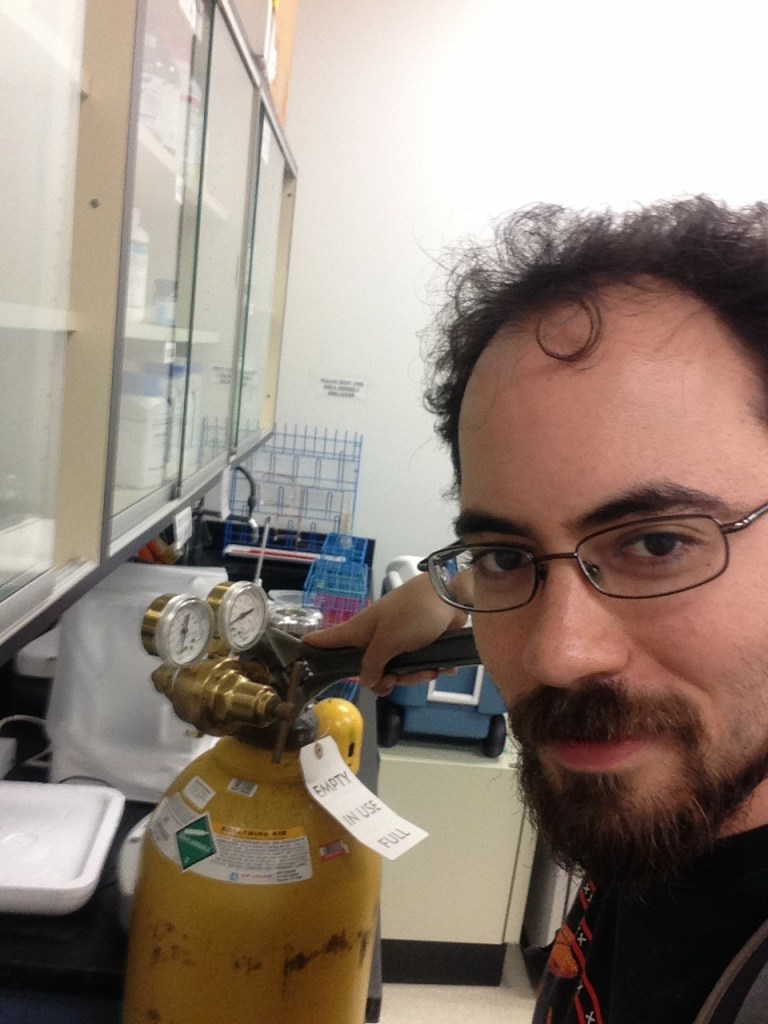
Benjamin Goldman-Huertas
I have a wide-ranging training in systematics, genomics, neuroethology and development with a focus on insects. I am currently interested in developing genetic tools in flies to modify behavioral and detoxification genes mediating species interactions.
My first lab experience was at the Harvard University Herbaria studying the evolutionary history of lilacs (Syringa) with Jianhua Li. After graduation I worked as a curatorial assistant at the Museum of Comparative Zoology under Naomi Pierce, where I helped curate a butterfly DNA and tissues collection, and pursued research on insect systematics, and surveyed bacterial endosymbiont diversity in insects. Afterwards I attended The University of Arizona for my PhD advised by Noah Whiteman in the department of Ecology and Evolutionary Biology. I studied the behavioral and physiological consequences of chemoreceptor evolution in drosophilid flies of the genus Scaptomyza. Since my thesis work had a heavy behavioral and neuroscience component I incorporated a minor in Neuroscience, co-advised by Lynne Oland. After my doctorate I was a postdoctoral fellow with Lisa Nagy at The University of Arizona where I learned genetic and bioinformatic techniques to study early embryogenesis in the flour beetle Tribolium castaneum. Currently I am working again with Noah Whiteman as a specialist in the department of Integrative Biology at UC Berkeley.
I grew up in Puerto Rico where I first developed my interests in Biology, camping in places like Lake Guajataca and Mona island, witnessing fights between Scolopendra centipedes and the mating migration of giant hermit crabs. As a consequence of the quarantine, I’m trying to learn the mysterious art of baking (my cinnamon raisin bread has turned out…okay). I love watching silly internet videos with my wife, Kristin, and my two cats, Stella and Stanley.
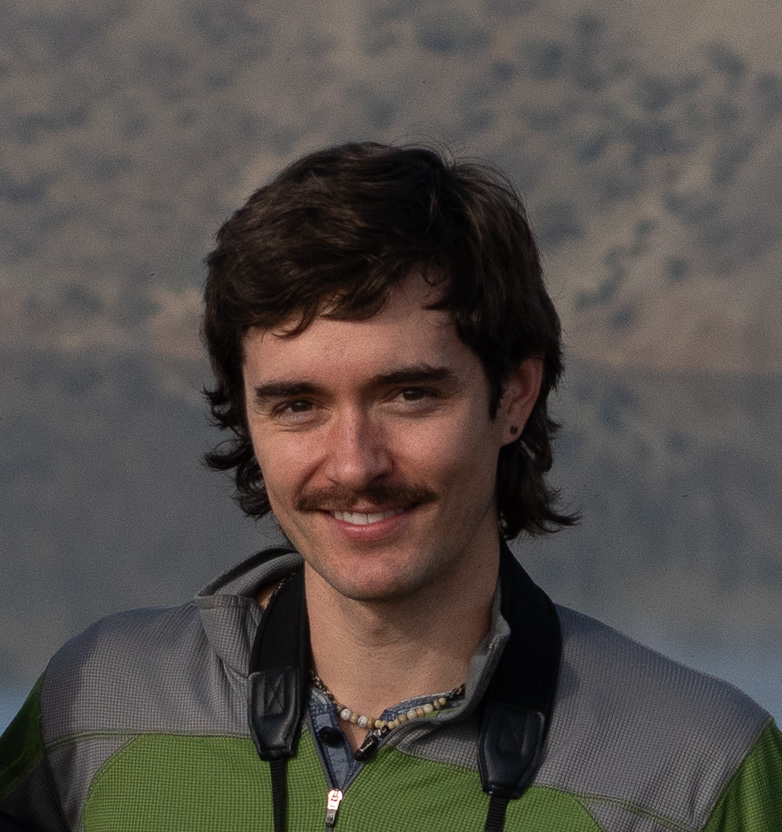
Jeff Groh
I am a Miller Postdoctoral Fellow co-mentored by Noah in MCB and IB and Ben Blackman in PMB. I am an evolutionary geneticist. My current research focuses on the evolution of plant mating systems as a window into understanding mating adaptation, trait evolution and speciation more generally. I am particularly interested in flowering plants, which exhibit enormous diversity in their mating and reproductive strategies and pollination of which is essential for improving agricultural crops. For my postdoc, I am studying convergent evolutionary origins and molecular mechanisms underlying heterodichogamy, a mating system where two hermaphroditic morphs alternate phases of male and female flowering reciprocally, such as in walnuts. Other research interests include the genomic consequences of hybridization, the role of ecology in speciation, and the evolution of temporal niche specialization.
Graduate Students
Diler Haji
I study how the genes of insects and other species evolve to tolerate or even avoid the effects toxins produced by the plants they feed on.
Education:
PhD, Integrative Biology, University of California, Berkeley CA, 2019-Current, Advisor: Dr. Noah Whiteman
M.S., Ecology and Evolutionary Biology, University of Connecticut, Storrs CT, 2017-2019, Advisor: Dr. Chris Simon
B.S., Ecology and Evolutionary Biology, University of Connecticut, Storrs CT, 2013-2017, Honors
B.A., Journalism, University of Connecticut, Storrs CT, 2013-2017
Honors and Awards:
Berkeley Fellowship, 2019-2024
NSF Graduate Research Fellowship (GRFP), 2017-2022
First Place, Entomology 2018 Student Presentation Competition
Evolution 2018 Society of Systematic Biologists (SSB) Travel Award
University of Connecticut Office of Undergraduate Research (OUR) Travel Award, 2017
Connecticut Museum of Natural History Undergraduate in Biological Science, 2017
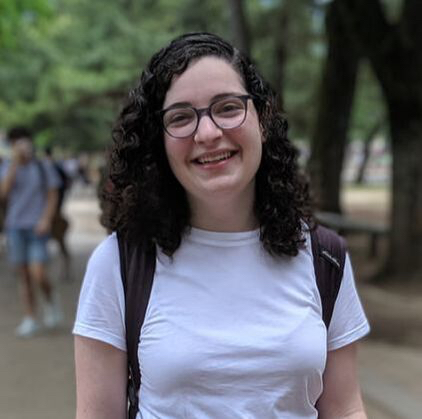
Rebecca Tarnopol
I am interested in evolutionary genetics in all of its flavors. My specific research involves the evolution of biotic interactions, especially when toxins are involved.
My dissertation work focuses on the functional dissection of a series of bacterial toxins that normally kill animal cells, which have subsequently been co-opted by insects in several orders through horizontal gene transfer. I use drosophilid flies as my primary model system to answer the following questions:
1. How can animals deploy toxins that evolved to kill them without harming themselves?
2. How do genes that have evolved for billions of years in bacteria become functionalized in a eukaryotic gene regulatory environment?
Education:
- PhD student, Department of Plant & Microbial Biology, 2019-Present
- B.S., Cellular & Molecular Biology (High Honors), University of Michigan – Ann Arbor, 2019
- B.S., English, University of Michigan – Ann Arbor, 2019
Publications:
- Verster, K.I.*, Tarnopol, R. L.*, Akalu, S.M., Whiteman, N.K. 2021. Horizontal transfer of microbial toxin genes to gall midge genomes. Cold Spring Harbor Laboratory. 2021.02.03.429655. doi: 10.1101/2021.02.03.429655. *denotes co-first authors.
- Lee, C. K.*, Vachier, J.*, de Anda, J., Zhao, K., Baker, A. E., Bennett, R. R., Armbruster, C. R., Lewis, K. A., Tarnopol, R. L. et al. Social Cooperativity of Bacteria during Reversible Surface Attachment in Young Biofilms: a Quantitative Comparison of Pseudomonas aeruginosa PA14 and PAO1. mBio 2020, 11 (1) e02644-19; DOI: 10.1128/mBio.02644-19
- Tarnopol, R. L., Bowden, S., Hinkle, K., Balakrishnan, K., Nishii, A., Kaczmarek, C. J., Palowski, T., Vechiarelli, A. G. Lessons from a minimal genome: What Are the Essential Organizing Principles of a Cell Built from Scratch? ChemBioChem 2019, 20, 2535. DOI: 10.1002/cbic.201900249
Honors and Awards:
- Society for the Study of Evolution Rosemary Grant Advanced Award, 2022
- National Institutes of Health Genetics Dissection of Cells and Organisms Trainee, 2021-2022
- Society for the Study of Evolution R.C. Lewontin Early Award, 2021
- National Science Foundation Graduate Research Fellowship, 2019-2024
- Berkeley Fellowship for Graduate Study, 2019-2024
- Genetics Society of America Victoria Finnerty Travel Award, 2019
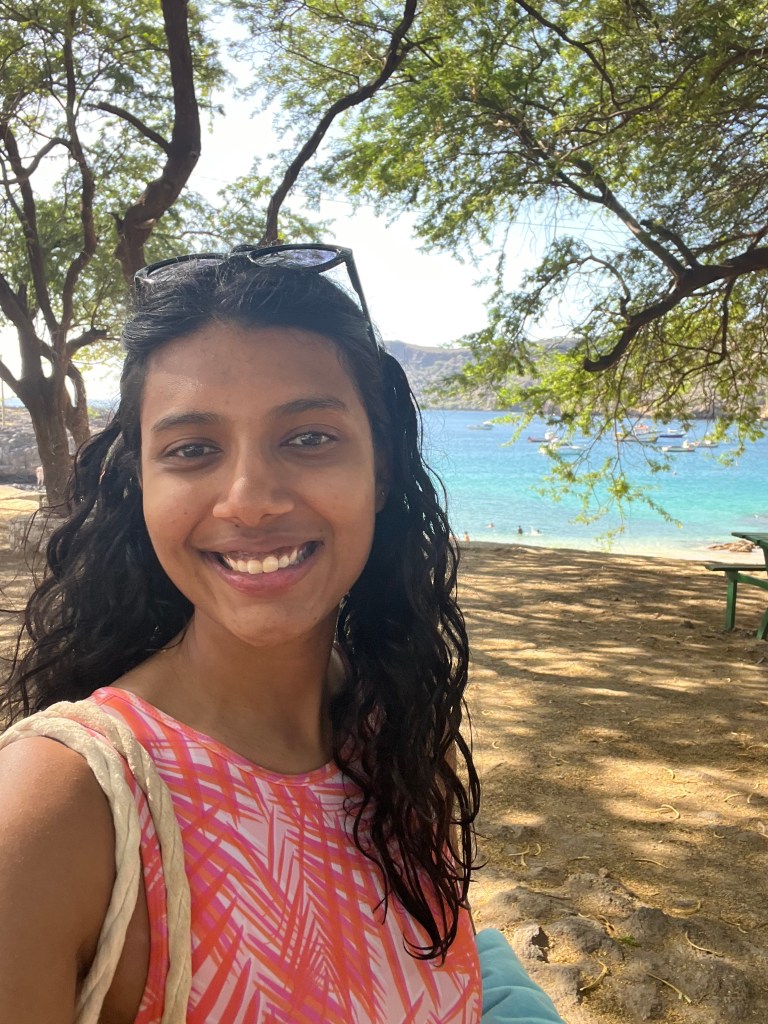
Amulya Aluru
I am a rotation student interested in the genetic basis of co-evolution.
Angelina Mullarkey
I am a rotation student interested in the genetic basis of co-evolution.
Undergraduate Researchers
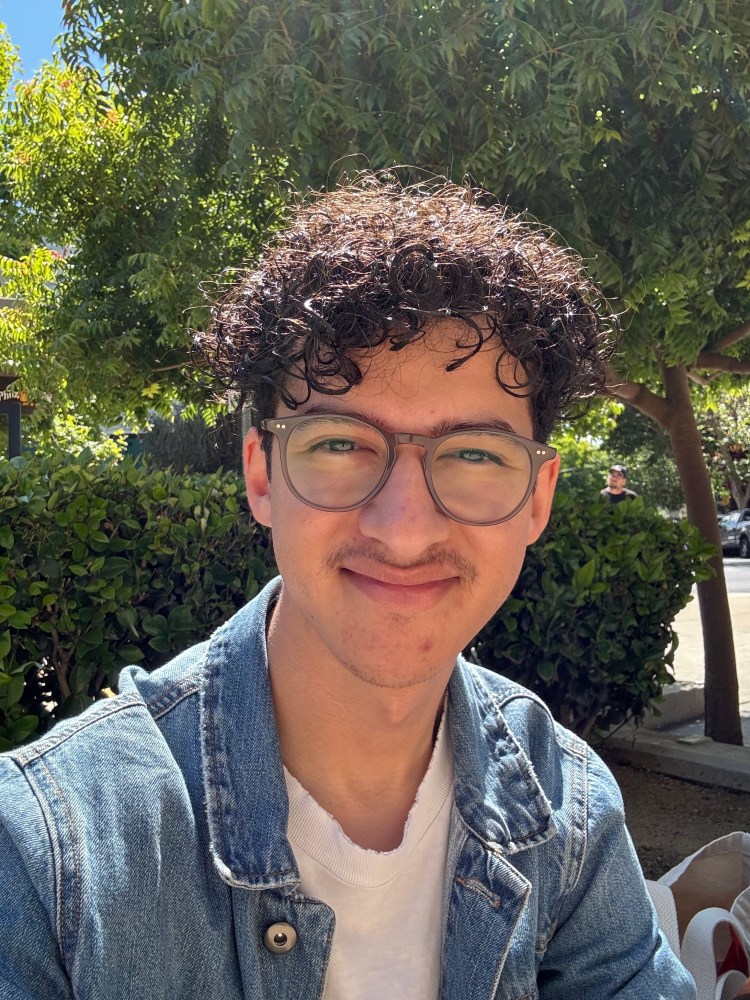
Gabriel Dueñas
I’m a third year MCB student researching the molecular basis of toxicity of a suite of horizontally transferred toxins in Drosophila. Outside the lab I enjoy hiking, finding new restaurants, and video games.
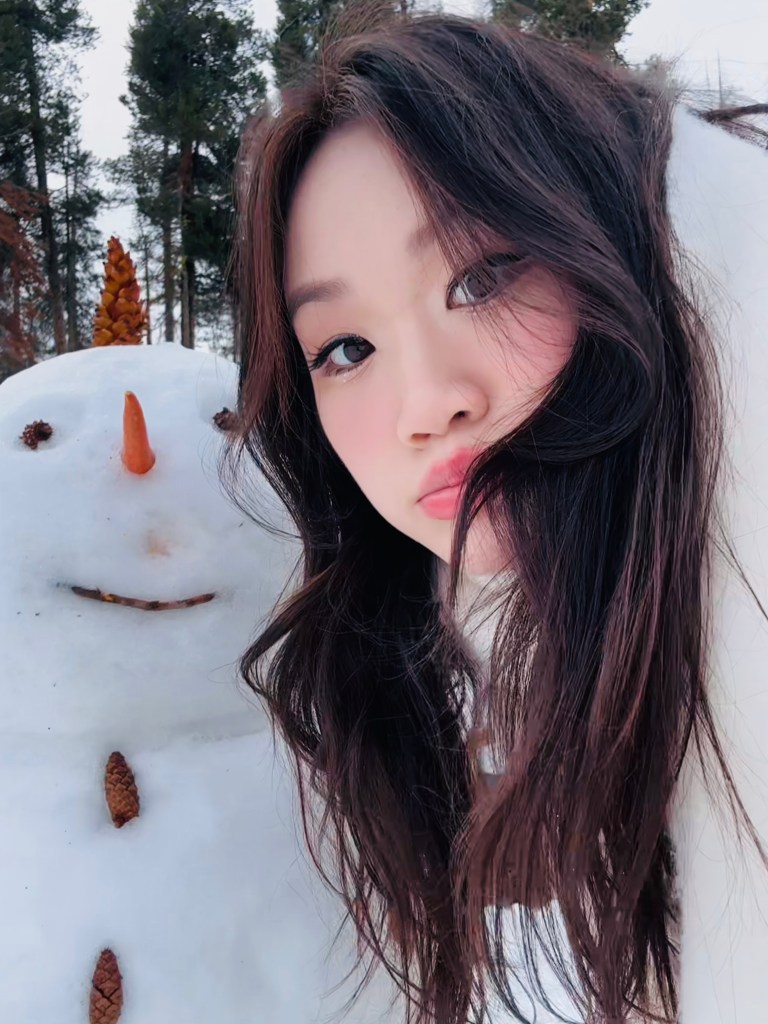
Nancy Thi
I’m a fourth-year MCB student interested in insect neuroscience, behavior, and development. Outside the lab, I enjoy good food, collecting Mofusands, and casual gaming.
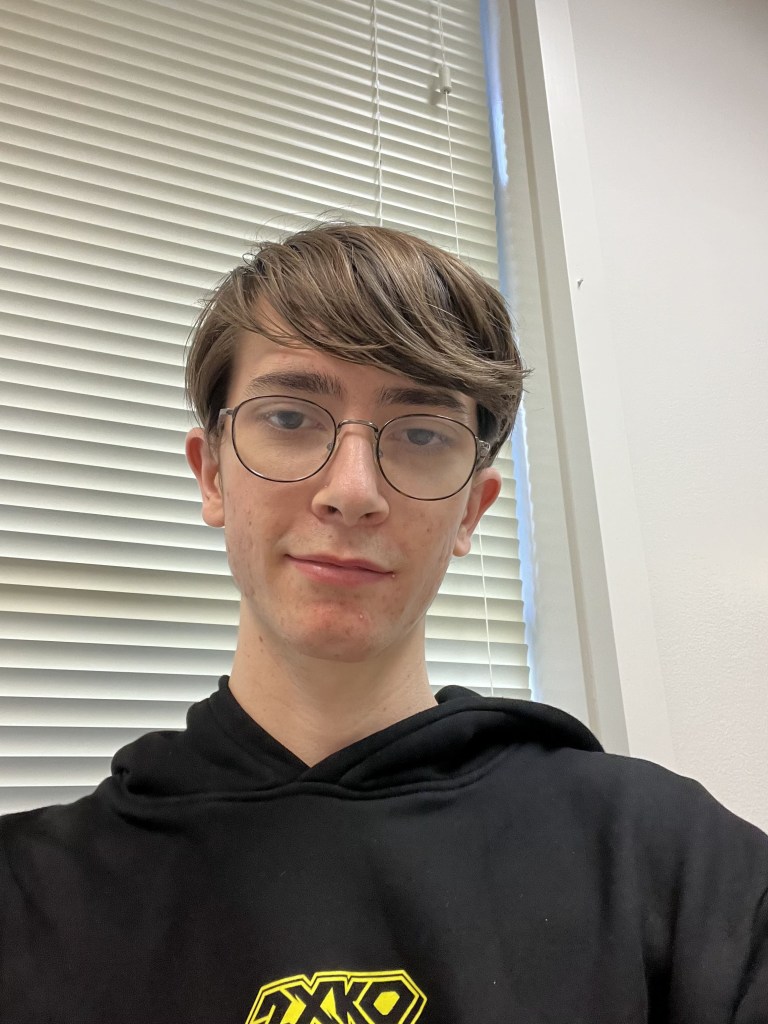
Joseph Sitzman
I’m a third year undergraduate student studying Microbial Biology in the Rausser College of Natural Resources. I’m assisting in experiments to characterize the receptor of horizontally-transferred toxins in Drosophila. When not in the lab or in class, I enjoy reading and playing video games.
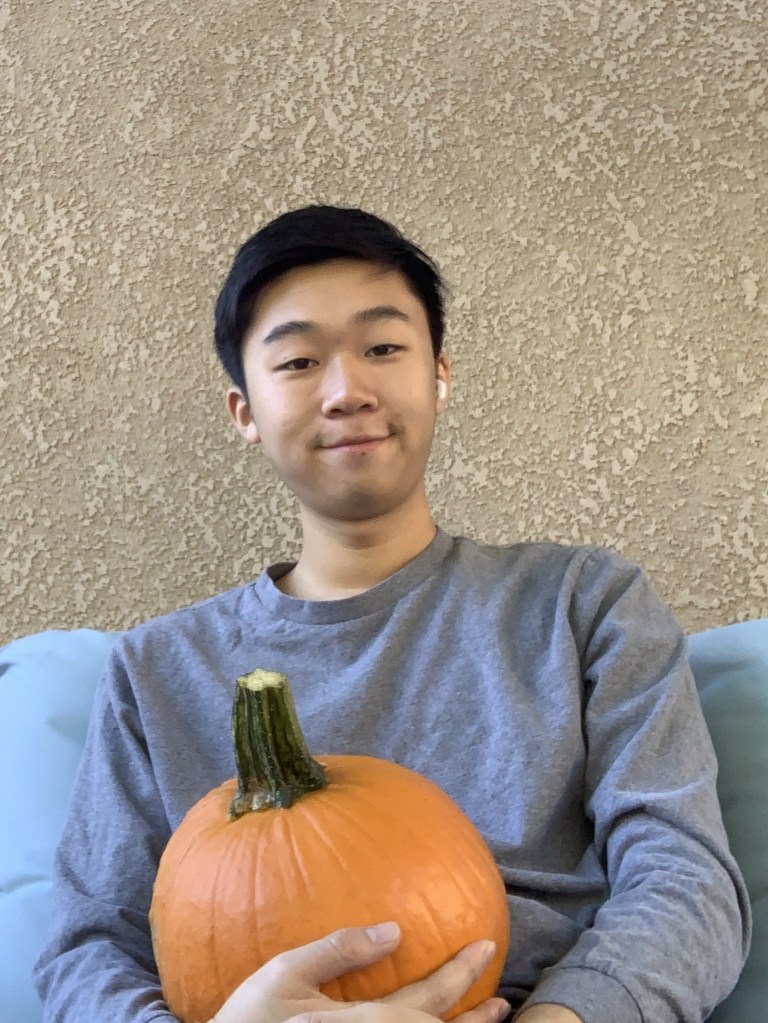
Ryan Wang
I’m a freshman MCB major currently researching the prevalence (or lack thereof) of prophenoloxidases in Drosophilidae flies. Besides studying and being in the lab, I like to explore Wikipedia rabbit holes, write, and garden.
 Whiteman Lab
You must be logged in to post a comment.