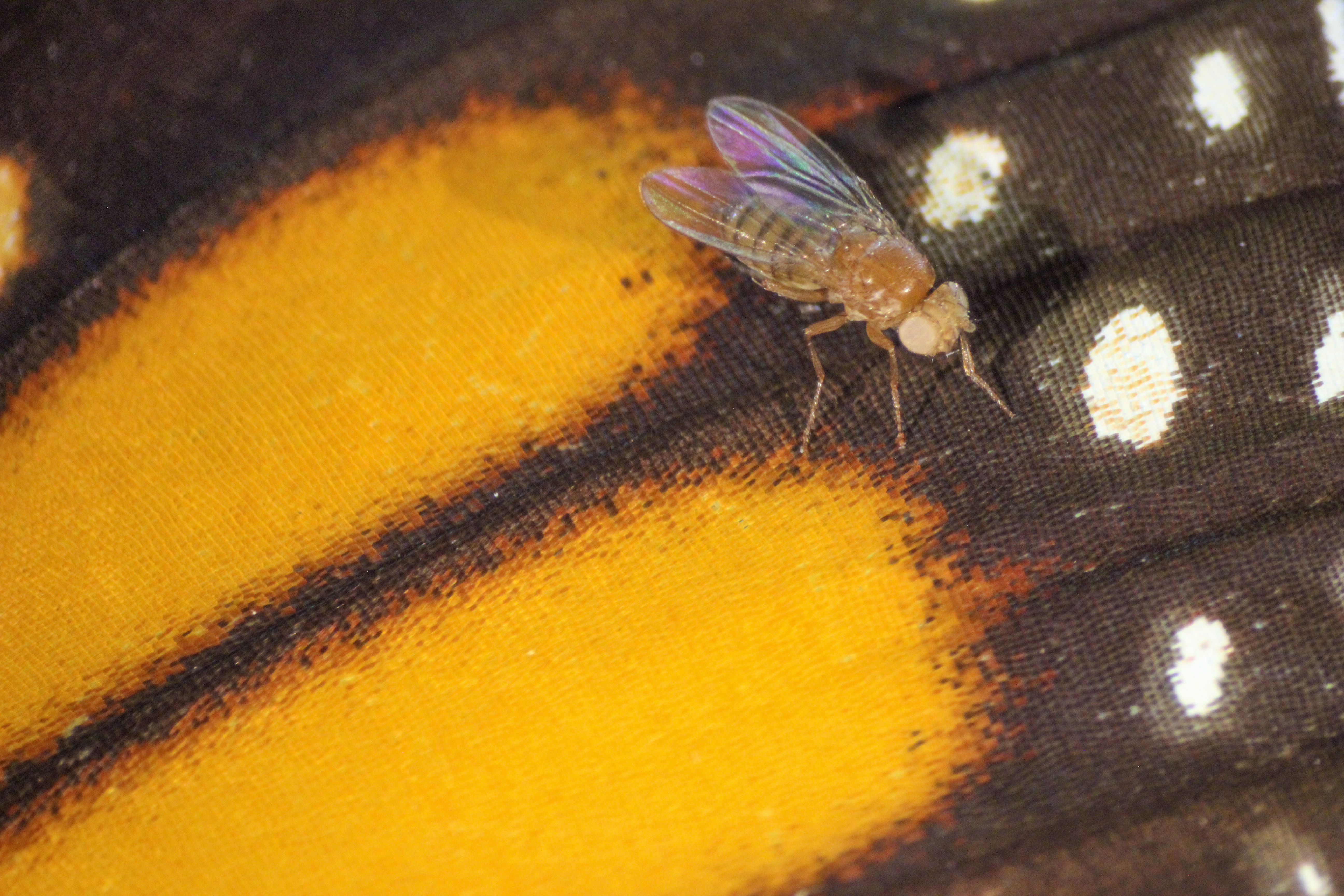
What we study
Interactions between species can result in reciprocal adaptation, a phenomenon called coevolution. The process of coevolution is thought to have driven much of the diversification of life on Earth. We investigate the genetics basis of coevolution. Humans are the unwitting beneficiaries of these ancient dynamics because half of our medicines come from natural products arising from the Darwinian “war of nature.”
We use genome editing and other molecular tools to retrace the path that coevolution has taken, which allows us to “replay the tape” to better understand how adaptation between species unfolds. We dissect the genetic architecture of coevolving traits across diverse systems including hummingbird-nectar plant mutualisms and plant-herbivore, host-parasitoid, and predator-prey antagonisms. These approaches help illuminate how interactions between organisms have generated evolutionary novelty.
Welcome to the Whiteman Lab!
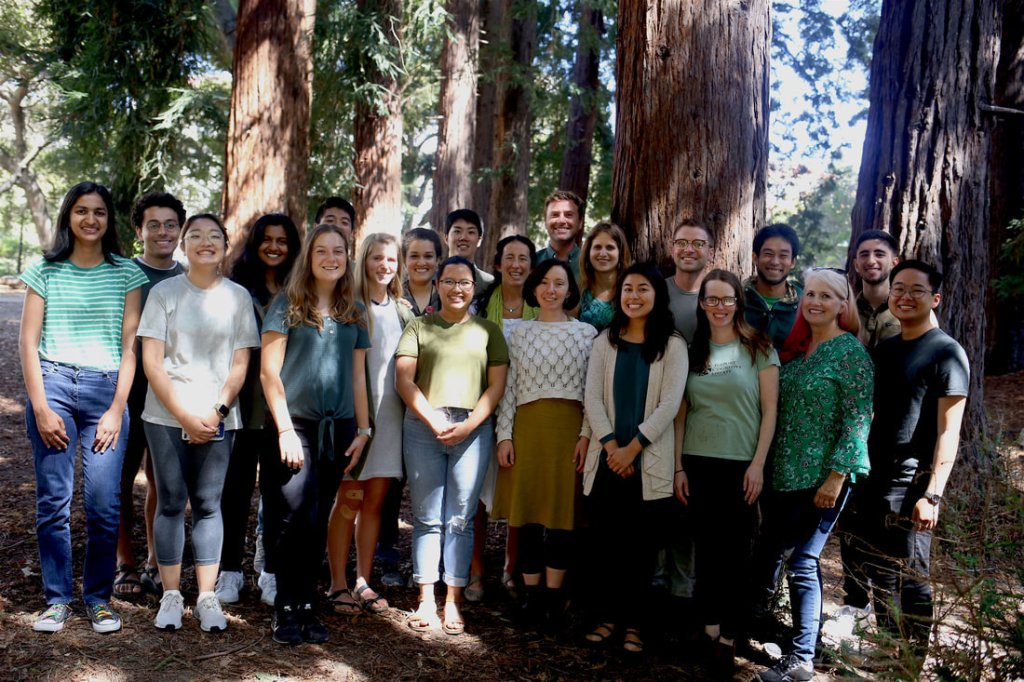
The Whiteman Laboratory is at the University of California, Berkeley is within the Department of Integrative Biology and the Genetics, Genomics, & Development Division of the Department of Molecular & Cell Biology. We are also affiliated with the Helen Wills Neuroscience Institute, the Graduate Group in Microbiology, the Center for Computational Biology, the Essig Museum of Entomology, the Museum of Vertebrate Zoology and the University and Jepson Herbaria.
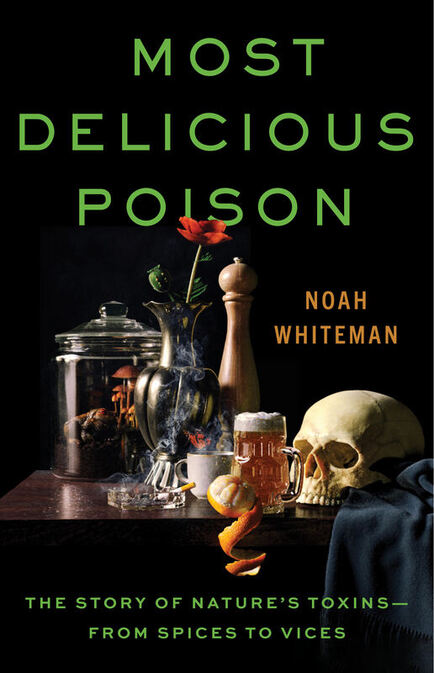
“Most Delicious Poison” published October 24th.
Noah’s new book for general audiences on the origin story of nature’s toxins is out now! For more information see the Most Delicious Poison website.
PBS Deep Look takes a look!
PBS Deep Look recently profiled one of our study organisms, Scaptomyza flava, the mustard leaf miner.
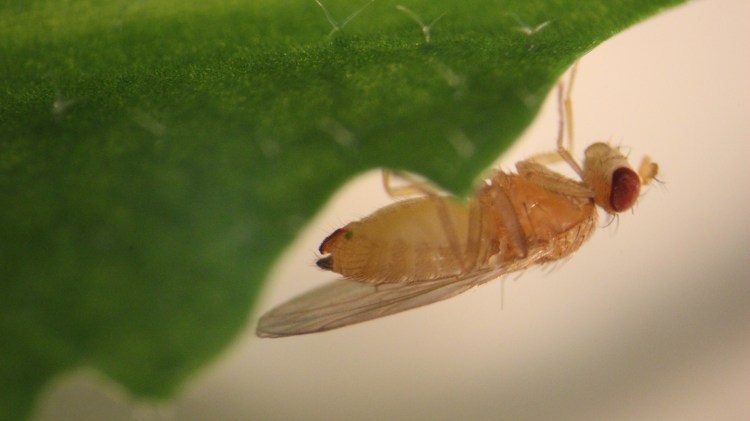
Research in New York Times
Carolyn Wilke’s story in the New York Times “Trilobites” features is about the evolution of the plant-penetrating ovipositor (egg-guide) of Scaptomyza flava: “While Other Insects Played, This Species Evolved the Blade.”
 Whiteman Lab
You must be logged in to post a comment.