We study the molecular basis of co-evolution, which is when one species drives adaptation in another and vice versa.
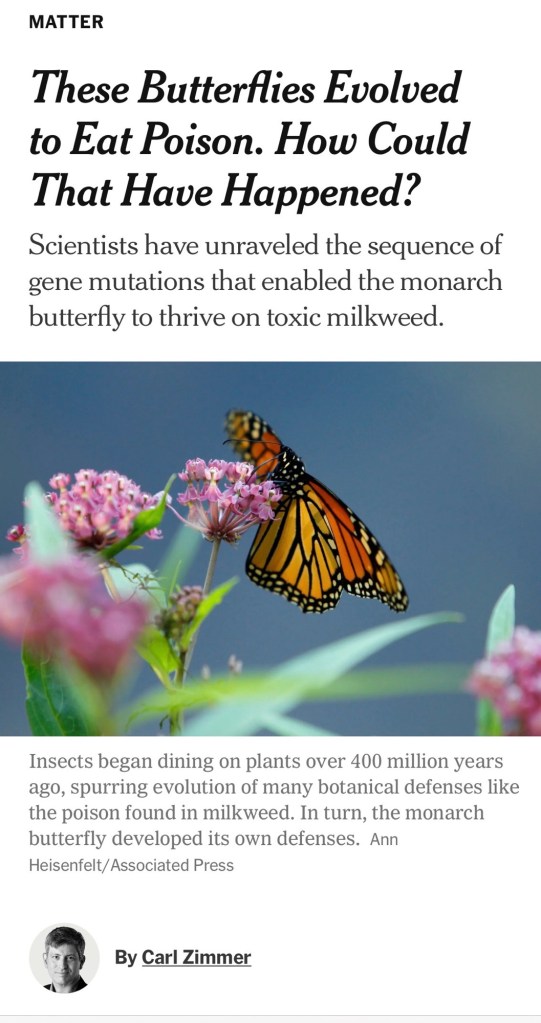
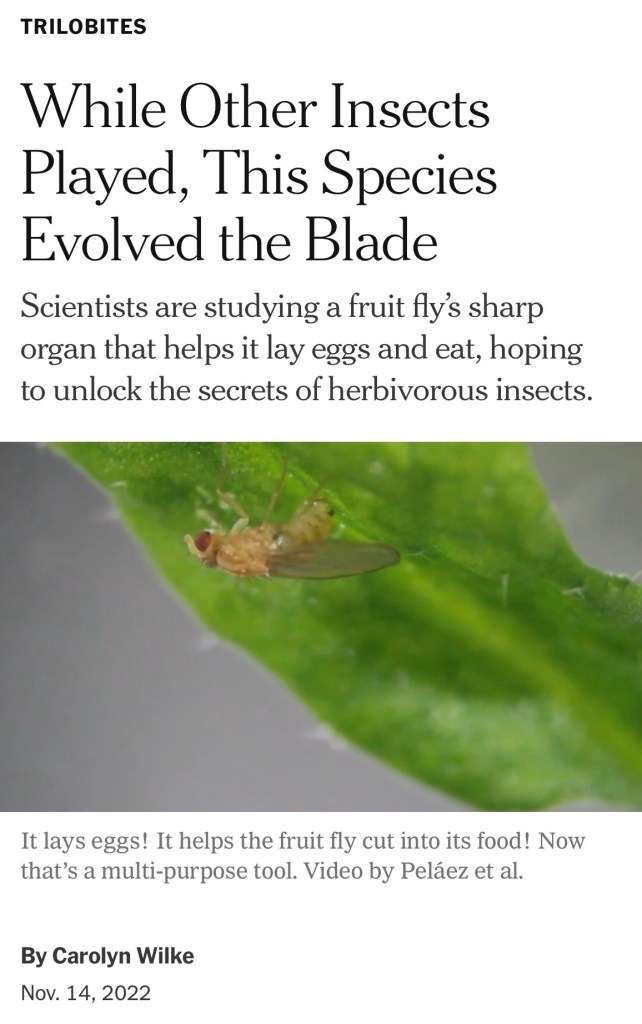
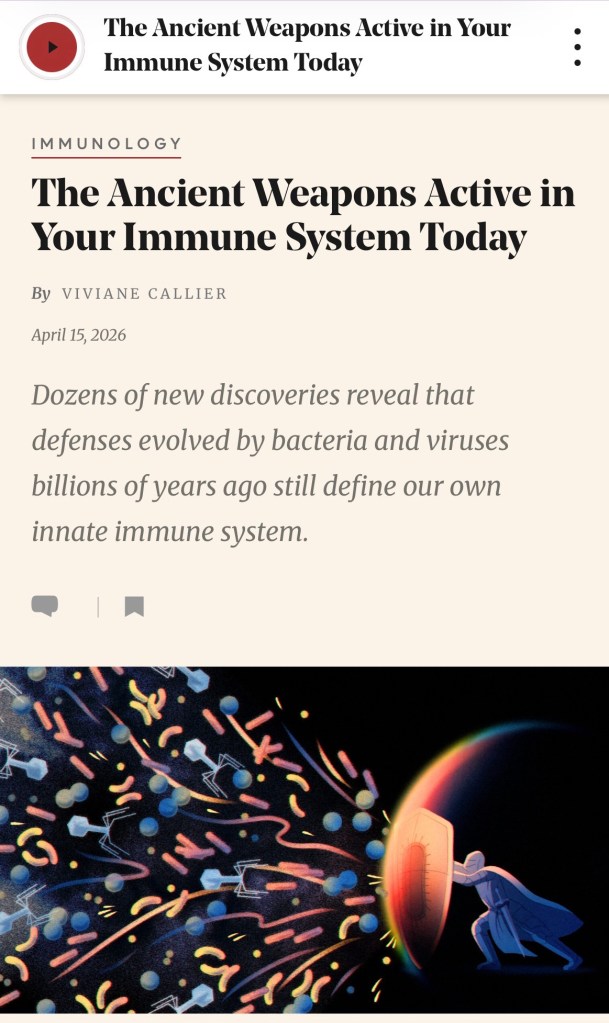
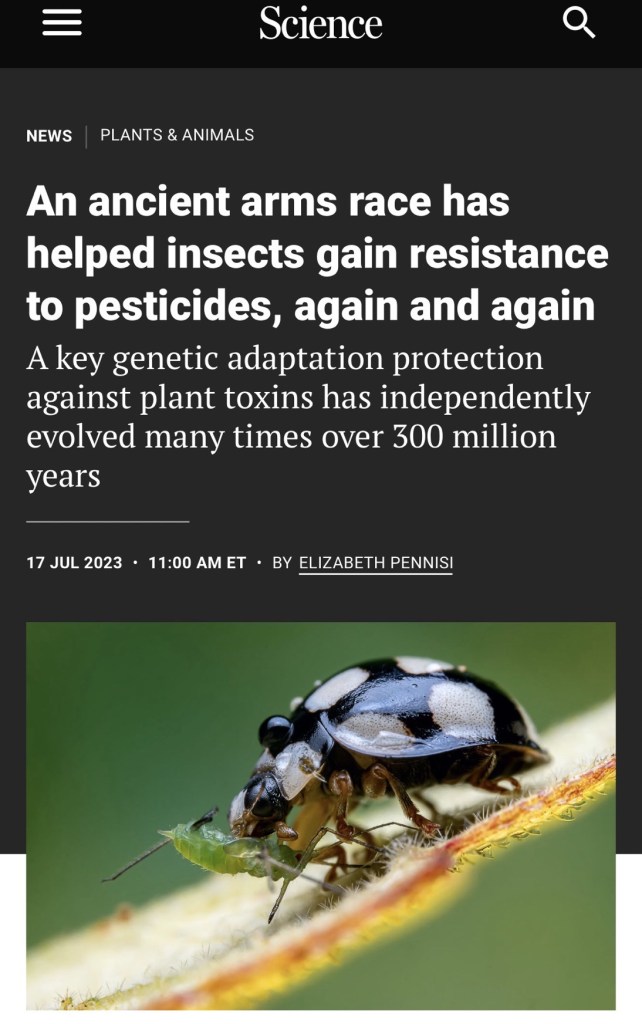
Current research topics: (1) co-option of horitzontally transferred genes from bacteria to animals and their role in the evolution of the animal immune system; (2) evolution of herbivory in insects; (3) resistance and co-option of dietary toxins by animals; (4) balancing selection via spatially varying and frequency dependent natural selection; (5) signal-receiver co-evolution.
Our work is inspired by Darwin’s “tangled bank” metaphor:
“It is interesting to contemplate a tangled bank, clothed with many plants of many kinds, with birds singing on the bushes, with various insects flitting about, and with worms crawling through the damp earth, and to reflect that these elaborately constructed forms, so different from each other, and dependent upon each other in so complex a manner, have all been produced by laws acting around us.”


You must be logged in to post a comment.